How to Build a Career-Ready Skills Plan in Cameroon

A career-ready skills plan connects the work you want to do with the evidence an employer needs to see. Start with a target role, identify the capabilities it requires, and build proof through training, projects, and conversations with people in the field.
Start with the work, not a random course
Choose one or two roles that genuinely fit your interests and strengths. Read several job descriptions and write down the repeated requirements: tools, communication habits, certifications, sector knowledge, and outcomes. This is your skills gap list.
Turn the gap list into a 90-day plan
- Pick one technical skill and one workplace skill to strengthen.
- Choose a credible training route with a clear outcome.
- Complete one small, shareable project that demonstrates the skill.
- Ask for feedback from a mentor, trainer, or employer.
Make your evidence easy to find
Update your CV and professional profile with concrete results: a completed project, a process you improved, or a problem you solved. Keep certificates, samples, and references in one organised folder. Evidence makes a skills plan more useful than a list of courses.
Frequently asked question: What is the best skill to learn for employment?
The best skill is one that appears in roles you want and can be demonstrated in practice. Digital fluency, customer service, project coordination, data handling, and clear communication are durable starting points across many sectors.
Next step: Atanga SkillBridge can help you identify practical training and career-support options aligned with your goal.

Keep reading
More insights for your business.
 AI Skills in 2026: What Workers and Small Businesses Need to Learn Now
Nearly every employee has touched an AI tool by now. Far fewer feel ready to use one well. Recent research backs this up directly:…
AI Skills in 2026: What Workers and Small Businesses Need to Learn Now
Nearly every employee has touched an AI tool by now. Far fewer feel ready to use one well. Recent research backs this up directly:…
 How to Build a Skills-Based Onboarding Program for a Stronger Workforce
Hiring the right person is only the beginning. If you want employees to perform well, you need to give them the right skills to…
How to Build a Skills-Based Onboarding Program for a Stronger Workforce
Hiring the right person is only the beginning. If you want employees to perform well, you need to give them the right skills to…
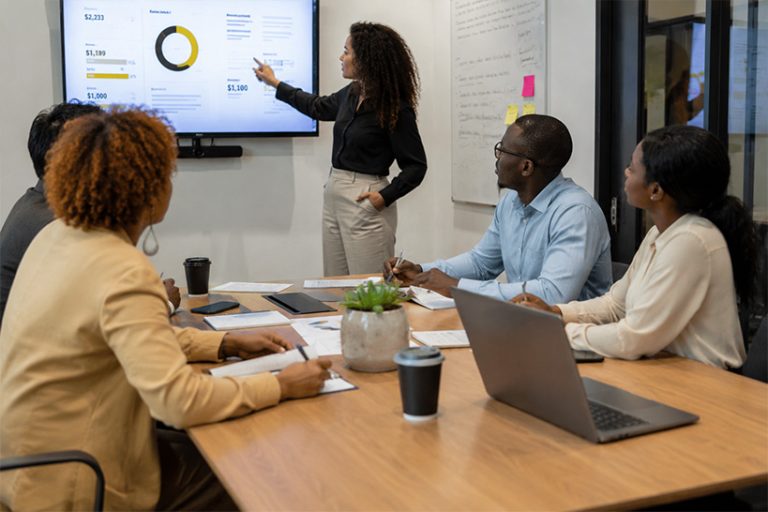 Is Your Workforce Ready for the Future?
Your organization may have talented employees, but do they have the skills your organization will need tomorrow? It’s a question most leaders never stop…
Is Your Workforce Ready for the Future?
Your organization may have talented employees, but do they have the skills your organization will need tomorrow? It’s a question most leaders never stop…
Ready to build a stronger, grant-ready organization?
Book a free consultation and leave with a clear next step, whether we work together or not.