The Grant Funding Cliff: What Happens When Your Biggest Grant Ends?
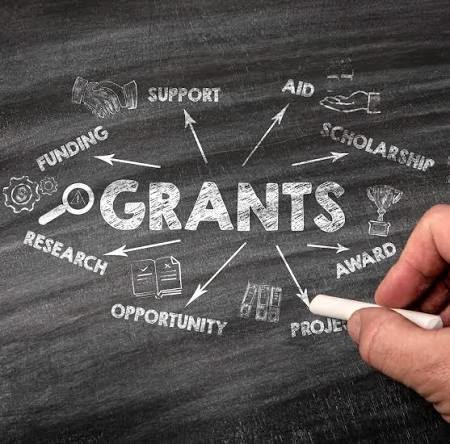
Winning a large grant can feel like a major breakthrough.
Your organization finally has money to hire staff, expand a program, serve more people and move important projects forward.
But there is a question many organizations do not ask early enough:
What happens when the grant ends?
This is where the grant funding cliff becomes a real problem.
A nonprofit can look financially healthy while a major grant is supporting most of its work. Then the grant period ends, and suddenly the organization has to find another source of money just to keep the same program running.
That is why a good grant is not only about getting funded.
It is also about preparing for what comes next.
What is the grant funding cliff?
The grant funding cliff happens when an organization becomes heavily dependent on funding that is temporary.
For example, imagine a nonprofit receives a $300,000 grant for a two year workforce development program.
The organization hires employees, launches the program and starts serving participants.
Everything looks good.
But two years later, the grant ends.
If the organization has no other funding source, it may have to reduce the program, lay off staff or stop the program completely.
The problem was not the grant.
The problem was the lack of a longer term funding strategy.
Grants should be part of a bigger funding plan
Grants can be extremely valuable, but they should not always carry the entire organization.
A stronger funding strategy may include:
- Foundation grants
- Government funding
- Corporate support
- Individual donations
- Sponsorships
- Partnerships
- Earned revenue
- Fundraising campaigns
- Membership programs
The right mix depends on the organization.
The goal is not to eliminate grants.
The goal is to make sure that one lost grant does not put the entire organization at risk.
Recent nonprofit research has highlighted the importance of flexible, multiyear funding and stronger financial resilience as organizations face uncertain revenue and changing funding conditions. nff.org
Start planning before the grant ends
One of the biggest mistakes organizations make is waiting until the final months of a grant to think about sustainability.
By then, there may not be enough time.
Instead, start asking sustainability questions when the grant begins.
How will this program continue?
What other funders might support it?
Can we build partnerships?
Can the program generate revenue?
Can another organization help us continue the work?
Can we collect strong outcome data that makes future fundraising easier?
These questions should be part of grant management, not an afterthought.
Your impact data can help you find the next funder
Future funders want to know whether your organization is making a difference.
That means you should collect meaningful data throughout the grant period.
Track things such as:
- People served
- Programs completed
- Training completed
- Jobs created
- Certifications earned
- Participants retained
- Community outcomes
- Success stories
When the next funding opportunity appears, you will not have to start from zero.
You already have evidence.
Build relationships before you need the money
Fundraising becomes much easier when relationships already exist.
Do not wait until your grant is ending before contacting potential partners and funders.
Learn about organizations that support your mission.
Follow their work.
Understand their priorities.
Attend relevant events.
Build relationships.
Then, when the right opportunity appears, your organization is better positioned to have a meaningful conversation.
The goal is funding stability
A successful nonprofit should not only ask:
“How do we win our next grant?”
A better question is:
“How do we build a funding structure that allows our organization to keep serving people?”
That shift can change how you approach fundraising.
At Atanga SkillBridge Group LLC, we help organizations think beyond individual grant applications and develop stronger funding strategies, grant readiness and funding pipelines.
If your organization is worried about what happens when its current funding ends, now is the time to start planning.
Visit atangaskillbridge.com to learn more.
Frequently Asked Questions
What is a grant funding cliff?
A grant funding cliff occurs when an organization depends heavily on temporary funding and faces a major financial gap when that funding ends.
How can nonprofits avoid funding gaps?
Organizations can reduce risk by diversifying funding sources, building funder relationships, tracking impact and planning for sustainability before a grant ends.
Should nonprofits stop relying on grants?
Not necessarily. Grants can be an important part of a healthy funding strategy. The key is avoiding excessive dependence on one temporary funding source.

Keep reading
More insights for your business.
 From Grant Recipient to Strategic Partner
Getting a grant is exciting. But what happens after the check arrives? That question matters because successful fundraising is not always about finding a…
 The Hidden Cost of an Understaffed Nonprofit: When Capacity Becomes the Real Funding Problem
Sometimes the problem is not a lack of funding. The problem is that the organization does not have enough capacity to use the funding…
 Why Nonprofits Should Stop Measuring Success by the Number of Grants They Win
How many grants did your organization win this year? It sounds like a simple question. But it may not be the best way to…
Ready to build a stronger, grant-ready organization?
Book a free consultation and leave with a clear next step, whether we work together or not.